

National Osteoporosis Month 2022. Creating Awareness and Prevention
In recognition of National Osteoporosis Month, we at The Perfect Workout want to shed even more awareness on osteoporosis and that starts with knowing the risk factors.
In this article we share the common risk factors for osteoporosis and things you can start doing today to keep your bones strong!
What is Osteoporosis?
Osteoporosis is diagnosed when a person has suffered a significant loss of bone mass because their body can’t produce enough new bone to keep up with old bone loss. “Bone is living tissue that constantly breaks down and is replaced.” (Mayo Clinic).
With this disease, bones become hollow and carry a high risk of fracture. About 10 million people in the US have osteoporosis and many others are at risk.
Osteoporosis Risk Factors
Are you at risk for developing osteoporosis? Check this list of common risk factors to see if your risk is low or high.
Gender
Osteoporosis can affect both men and women, but women (especially Caucasian and Asian) are at higher risk.
Age
Older individuals, especially women who are past menopause are considered high risk for Osteoporosis. This does not mean younger adults should ignore the risks.
Body Weight
Thin, frail body types and underweight BMI’s can be a risk factor for having low bone density which is a contributor to fractured bones.
Hormone Levels
Having lower estrogen levels for women, and low testosterone for men can contribute to osteoporosis and fractures.
Family History
Osteoporosis runs in the family. If you have a family history of the disease, your risk factor increases. Read about our Founders family history here.
Vitamin Consumption
Physical Exercise
Lifestyle
Excessive smoking and drinking can lead to a slough of health problems including negatively impacting bone health.
Diseases
Diseases such as diabetes, hyperthyroidism, digestive conditions, cancer and rheumatoid arthritis have also been linked to osteoporosis.
Prevention: 4 Ways to Keep Strong Bones
1. Vitamin D3
2. Magnesium
3. Calcium
4. Strength Training
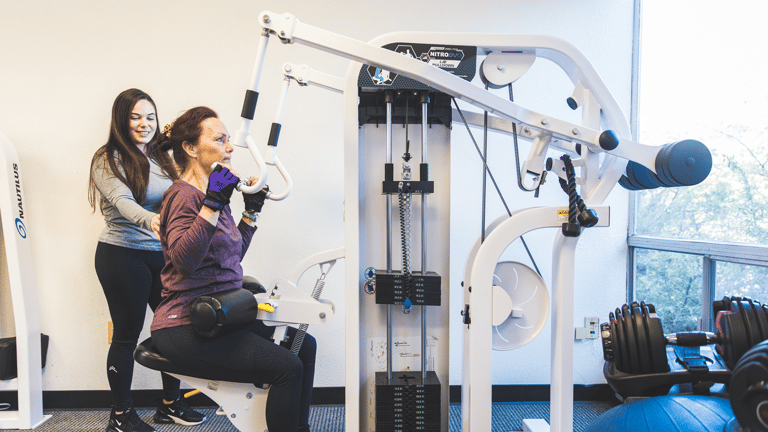
Strength training is a uniquely effective way to improve bone health and treat osteoporosis. It can improve bone strength in all areas of the body at any age.
“Worldwide, one in three women and one in five men aged 50 years and over will suffer an osteoporotic fracture. Fractures caused by osteoporosis can be life-threatening and a major cause of pain and long-term disability.” (IOF)
Osteoporosis impacts people all over the world. Step up for bone health and learn more about World Osteoporosis Day (October 20th) here.
If you aren’t already taking action to prevent or treat osteoporosis, speak with your doctor today. In the meantime, start (or continue!) a strength training program. Strength training will ensure you won’t lose bone density going forward, whether it be to age or osteoporosis.

Podcast Episode #40: How Slow-motion Strength Training Transforms Muscle Development
In this episode, we explore the transformative benefits of slow-motion strength training developed by Matt Hedman, founder of The Perfect Workout®, and uncover why it’s so effective at building muscle, shedding fat, and improving longevity.

Podcast Episode #39: How Matt Hedman Founded The Perfect Workout®
In this episode, Matt Hedman shares his transformative journey from an engineer to an exercise pioneer. A serious injury started him on a path to revolutionize strength training with slow-motion techniques.

Podcast Episode #38: When You Can Expect to Start Seeing Results
In this episode, we talk about when you can expect to see results from strength training with The Perfect Workout, discussing what changes to expect within the first few months and why patience is key for muscle growth, fat loss, and bone density improvements.